620 Drafting and Amending a Will reviews 20 top marks for approachability this year
Reviewed for Wills (447)Probate (77)Lasting Power of Attorney (36)

 Your solicitor
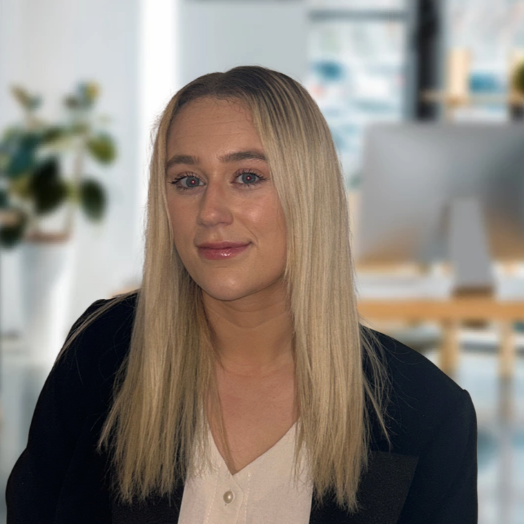
Natasha Marshall
Solicitor
Above average for communication this year
“My wife and both had wills drafted and the process was made easy by a highly professional, competent and friendly solicitor. Excellent communication throughout and very good value for money. ”
- excellent communication
- kept informed
- efficient and speedy
- Speaks